Workplace First Aid Drills: How to Practise Emergency Response Without Disrupting Work (2026)
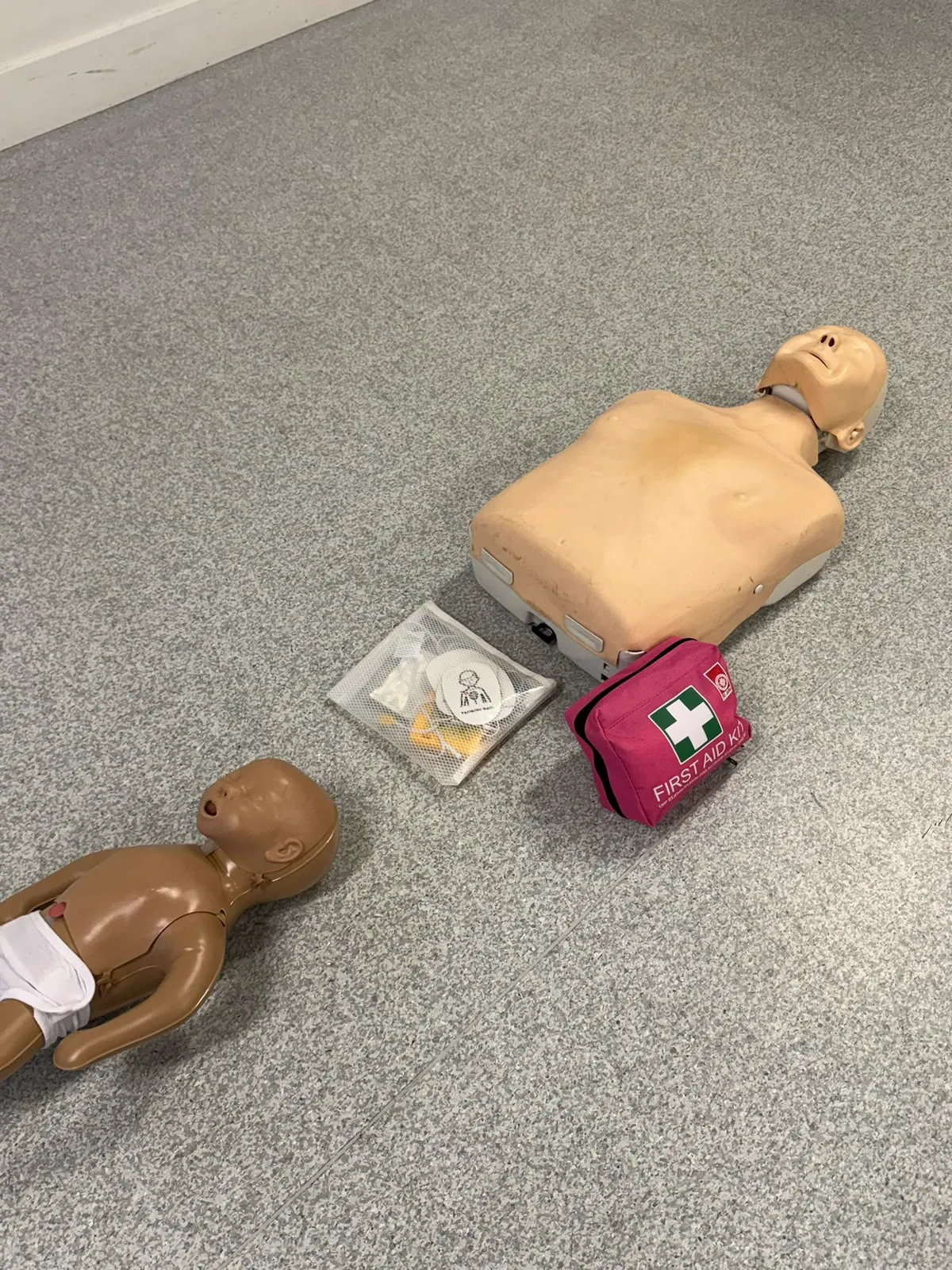
First aid training teaches the skills. Workplace drills test whether those skills can be used in the real workplace. In many emergencies, the delay is not caused by unwillingness. It is caused by confusion. Staff do not know where the AED is, who calls 000, who meets the ambulance, or who clears space around the casualty. A short first aid drill can find those problems before a real incident does.
What a First Aid Drill Should Test
A useful drill should focus on workplace response, not theatrical acting. The aim is to test access, communication, role allocation, and confidence. Keep the scenario simple and observe what happens.
| Drill Type | Time Needed | What It Checks |
|---|---|---|
| AED retrieval drill | 5 minutes | Can staff find and bring the AED quickly? |
| First aid kit location drill | 5 to 10 minutes | Do staff know where kits are and which kit is closest? |
| 000 call roleplay | 10 minutes | Can staff give the exact address, access point, incident type, and hazards? |
| Collapsed person scenario | 15 minutes | Can the team apply DRSABCD and assign roles? |
| Ambulance access drill | 10 minutes | Who opens gates, controls lifts, or meets paramedics? |
How to Run a Drill
- Choose one scenario, such as an unresponsive person in reception.
- Tell staff it is a drill before it begins.
- Nominate an observer who does not participate.
- Run the drill for 5 to 15 minutes.
- Stop, debrief, and record what needs to change.
What to Avoid
Do not make the drill so dramatic that staff feel embarrassed or tricked. Do not use fake blood, distressing scenes, or surprise scenarios unless your team has already practised calmly. The best first aid drills are simple, repeatable, and focused on response systems.
Questions to Ask During the Debrief
- Did someone take control quickly?
- Was 000 called or delegated clearly?
- Did staff know the exact site address?
- Was the first aid kit easy to access?
- Was the AED visible and reachable?
- Could emergency services reach the casualty without delay?
- Were bystanders managed?
- What should be changed before the next drill?
How Often Should Drills Happen?
For low-risk workplaces, quarterly short drills or toolbox talks are a reasonable starting point. Higher-risk sites, gyms, childcare services, schools, hospitality venues, construction businesses, and public-facing workplaces should practise more often. Rotate scenarios so the team does not only practise one type of incident.
Examples by Workplace
- Gym: member collapses during a class, AED needed from reception.
- Childcare: child chokes during lunch and staff need to manage children nearby.
- Hospitality: kitchen burn during a busy service.
- Office: worker reports chest pain and becomes unresponsive.
- Construction: worker has a fall and access for emergency services is restricted.
Do Drills Replace Training?
No. Drills do not replace nationally recognised training such as HLTAID009 or HLTAID011. Drills reinforce training by helping staff apply what they have learned in the actual workplace layout. A drill without trained first aiders is not enough. Training without any workplace practice can also leave avoidable gaps.
Sources
- WorkSafe Queensland
- Australian Resuscitation Council
- HLTAID009 Provide Cardiopulmonary Resuscitation - training.gov.au
Training and assessment delivered on behalf of Allens Training Pty Ltd RTO 90909.
Related Articles
Workplace First Aid Kits in QLD: What You Need, Where to Put Them, and How to Pair Kits With Training (Gold Coast & Brisbane)
People search 'workplace first aid kit requirements' when setting up a new site, onboarding staff, or trying to get compliant. This guide explains what determines your kit needs under QLD WHS, where kits should be located, what staff need to be trained on, and how the kit and training system works together for Gold Coast and Brisbane workplaces.
Read more →First Aid Kit Audit Checklist QLD: What to Check in Your Workplace Kit (2026)
A detailed first aid kit audit checklist for Queensland workplaces covering access, stock, expiry dates, risk-specific items, signage, restocking, and inspection records.
Read more →2026 Workplace First Aid Compliance Checklist for Queensland Employers (WHS Act)
A practical, printable WHS first aid compliance checklist for Queensland employers. Audit your risk assessment, first aider ratios, certificate currency, kit contents, and documentation against the First Aid in the Workplace Code of Practice 2021 - section by section, item by item.
Read more →Ready to Book Your Training
SKLD Training delivers nationally recognised first aid courses directly to your Gold Coast workplace.
View Available Dates