First Aid Training Register QLD: What Workplace Records Should You Keep? (2026)
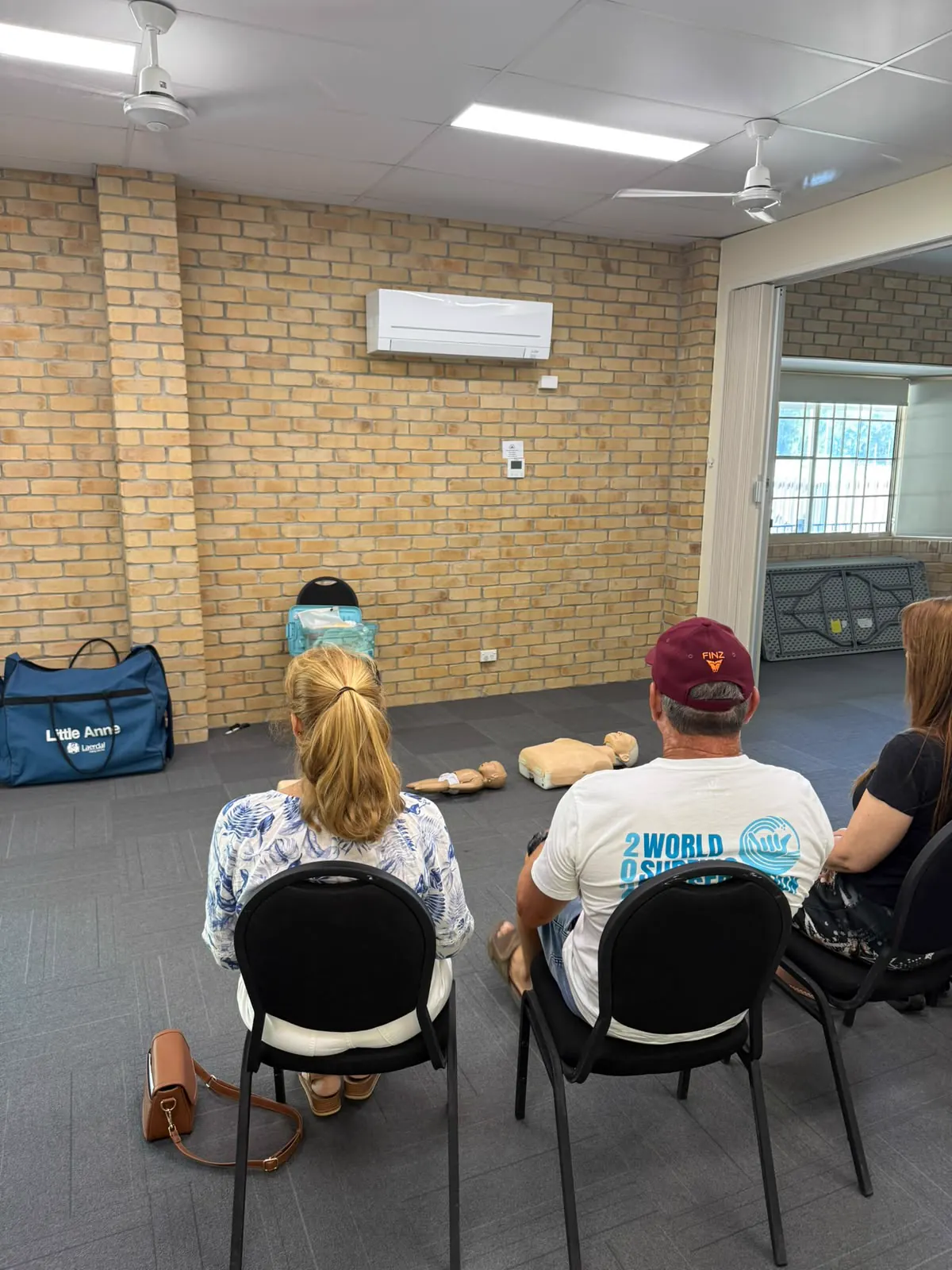
A first aid training register is a working compliance tool, not just an admin spreadsheet. It helps a Queensland workplace show who is trained, which units they hold, when CPR is due, when full first aid renewal is due, and whether every site or shift has enough coverage. For Gold Coast workplaces with casual staff, rotating rosters, contractors, multiple sites, or annual compliance checks, this register can prevent certificates from expiring unnoticed.
What a Training Register Is For
Under workplace health and safety duties, employers need to provide first aid arrangements that are adequate for their workplace. That includes suitable first aid equipment, access to trained first aiders, and information for workers about those arrangements. A register helps you manage the trained-first-aider part of that system. It does not replace a risk assessment, but it gives managers a clear view of training currency and coverage gaps.
Recommended Fields to Track
| Field | Reason |
|---|---|
| Worker name | Identifies nominated and backup first aiders |
| Role or department | Shows whether coverage exists across teams |
| Primary worksite | Important for businesses with more than one location |
| Course code | Examples include HLTAID009, HLTAID011, HLTAID012, and HLTAID010 |
| Completion date | Shows when competency was achieved |
| CPR renewal due | CPR is commonly refreshed every 12 months |
| First aid renewal due | Full first aid is commonly refreshed every 3 years |
| Certificate file location | Allows quick evidence during audits, tender checks, or client prequalification |
| Roster coverage notes | Identifies gaps on night shifts, weekends, remote worksites, or single-person sites |
Do Not Track First Aid and CPR as the Same Thing
A common mistake is recording only the full first aid certificate date. HLTAID011 includes CPR, but CPR currency is usually expected more frequently than full first aid renewal. If the register does not separate CPR due dates from first aid due dates, staff can look compliant on paper while their CPR refresh is overdue.
How Often Should the Register Be Reviewed?
Review the register at least quarterly. Monthly is better for childcare, hospitality, construction, fitness, NDIS, healthcare, schools, and workplaces with high staff movement. Add reminders 60 to 90 days before expiry so training can be booked before the certificate lapses.
How to Check Coverage, Not Just Certificates
Counting trained people is only the first step. A workplace can have enough trained first aiders overall but still be exposed if they are all on the same shift or based at the same site. Check the register against rosters, site locations, leave, remote work, and peak operating times. For example, a venue may need coverage across kitchen, front-of-house, and event shifts. A childcare service may need coverage whenever children are present.
When to Book Group Training
If several staff are due within the same quarter, group training is usually more efficient. Onsite training also lets the team practise in the environment where an incident would actually happen. That can include where the AED is kept, how to meet the ambulance, who controls bystanders, and how the internal reporting process works.
Common Register Problems
- No owner: nobody is responsible for updating records after training.
- No evidence files: certificates are not saved in a central location.
- Old staff still listed: the register overstates real coverage.
- No site split: multi-site businesses cannot see local gaps.
- No CPR date: annual CPR renewal is missed.
Frequently Asked Questions
Is a first aid training register legally required?
The law does not prescribe one exact spreadsheet format for every business. However, employers must manage first aid arrangements, and a register is a practical way to demonstrate that trained first aiders and renewal dates are being monitored.
Should contractors be included?
If contractors are part of your first aid arrangements or regularly work on your site, record their status or keep a separate contractor competency record. Do not assume another business has managed the risk for your workplace.
Who should own the register?
Common owners include the WHS officer, operations manager, HR manager, practice manager, centre director, or site supervisor. The important part is that ownership is assigned and reviewed when that person changes role.
Sources
- WorkSafe Queensland
- Safe Work Australia
- HLTAID011 Provide First Aid - training.gov.au
- HLTAID009 Provide Cardiopulmonary Resuscitation - training.gov.au
Training and assessment delivered on behalf of Allens Training Pty Ltd RTO 90909.
Related Articles
2026 Workplace First Aid Compliance Checklist for Queensland Employers (WHS Act)
A practical, printable WHS first aid compliance checklist for Queensland employers. Audit your risk assessment, first aider ratios, certificate currency, kit contents, and documentation against the First Aid in the Workplace Code of Practice 2021 - section by section, item by item.
Read more →First Aid Course Gold Coast QLD: The Complete Guide to Training, Costs & Certification (2026)
Everything you need to know about first aid courses on the Gold Coast in 2026 - which course to book, how much it costs, how long it takes, and where to train from Southport to Coolangatta. This pillar guide covers HLTAID011, HLTAID009, HLTAID012, online vs face-to-face, renewal timelines, and group training options.
Read more →The Annual Compliance Scramble: Why Gold Coast Workers Panic About Expiring First Aid and CPR Certificates - and How to Fix It for Good
That moment when you realise your CPR certificate expires today and panic sets in. Sound familiar? This guide explains how to turn the annual compliance scramble into a simple, confident plan - which course to book, how renewal cycles actually work, and how to never get caught out again on the Gold Coast.
Read more →Ready to Book Your Training
SKLD Training delivers nationally recognised first aid courses directly to your Gold Coast workplace.
View Available Dates